














Tek bir sonuç gösteriliyor
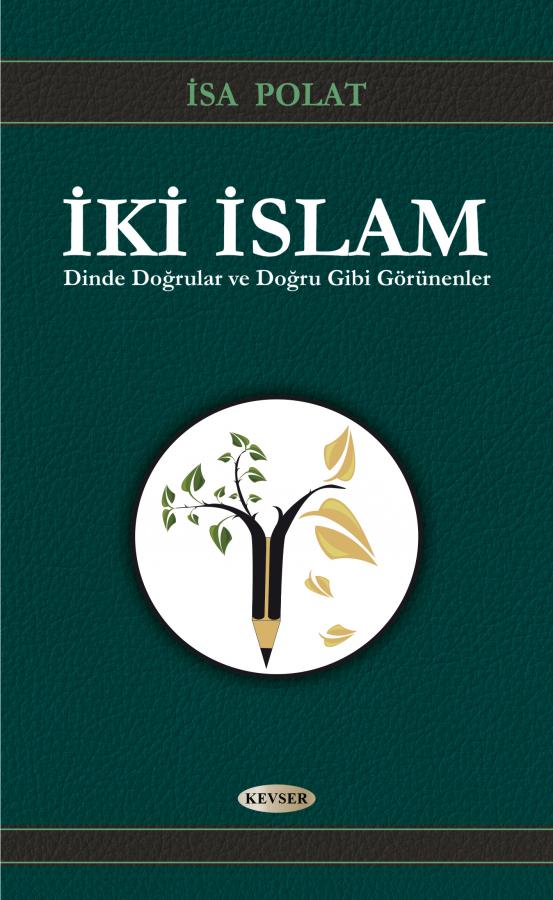
İki İslam
NEDEN İKİ İSLAM?
Din, sadece Allah’tan gelen kanunlar bütünü değildir. Dinin iki ayağı vardır, biri Allah’tan gelen kanunlar bütünü kitap, diğeri kitapla hükmedecek olan Allah’ın seçip yetkilendirdiği kişi. İkisine birden itaat etmenin adına din denilmiştir. Din yukarıdan aşağı iner. Aşağıdan yukarı din olmaz. Ümmetin ihtilafa düşmesinin en önemli sebebi, Müslümanların yapıp ettiklerinin din gibi algılanmasıdır. Nitekim saltanat bu algı yöntemiyle meşruiyet kazanmıştır.
Peygamber Efendimiz hayattayken din bütünsel anlamda onun şahsında somutlaşmıştı. Buna bağlı olarak ümmet tek renkti. İkinci rengin oluşma imkânı yoktu.
Resulullah’ın (s.a.a.) vefatıyla birlikte icra makamı konusunda ümmet ikiye ayrıldı.
Birinci, etkin grup; “Muhammed (s.a.a) peygamberlerin, Kur’an-ı Kerim kitapların ve İslam da dinlerin en kâmili ve sonuncusudur. Resulullah vefat etmiş, getirdiği din ve kitap bakidir. Bundan sonra ümmet, kendi içinden seçeceği önder, otorite vasıtasıyla işlerini deruhte edebilir!”görüşünü ileri sürdü. Bu görüş sahiplerine Sünni denildi.
İkinci, azınlıkta kalan grup ise; “Allah, Âdem’den (as) itibaren insanlığın mutluluğu için gerekli olan ibadî, toplumsal ve hukukî ihtiyaçları karşılamak üzere her zaman kendisiyle ilişki kurabilecek liyakate, temizliğe sahip kimseler seçip göndermiştir. Gönderdiği elçiler; bazen haber getirici ‘nebi’, bazen hem haber getirici hem icradan sorumlu ‘ulü-l azm’ peygamber, bazen de yalnız icradan sorumlu ‘imamlardır’, dolayısıyla önderi, otoriteyi ancak Allah seçebilir.” görüşünde ittifak etti. Bu görüş sahipleri tarihte İsna Aşeriye/İmamiye, Alevi, Şii olarak adlandırılmıştır.
Bu iki farklı görüş ilk etapta siyasi gibi görünse de, zamanla birbirinden bağımsız, adeta iki ayrı İslam şeklinde tezahür etmiştir. Allah izin verirse kitapta bu iki anlayışın bazı temel farklılıklarına işaret etmeye çalışacağız.
Online Sports Nutrition and Natural Dietetics.
Chances are there wasn't collaboration, communication, and checkpoints, there wasn't a process agreed upon or specified with the granularity required. It's content strategy gone awry right from the start. Forswearing the use of Lorem Ipsum wouldn't have helped, won't help now. It's like saying you're a bad designer, use less bold text, don't use italics in every other paragraph. True enough, but that's not all that it takes to get things back on track.
The villagers are out there with a vengeance to get that Frankenstein
You made all the required mock ups for commissioned layout, got all the approvals, built a tested code base or had them built, you decided on a content management system, got a license for it or adapted:
- The toppings you may chose for that TV dinner pizza slice when you forgot to shop for foods, the paint you may slap on your face to impress the new boss is your business.
- But what about your daily bread? Design comps, layouts, wireframes—will your clients accept that you go about things the facile way?
- Authorities in our business will tell in no uncertain terms that Lorem Ipsum is that huge, huge no no to forswear forever.
- Not so fast, I'd say, there are some redeeming factors in favor of greeking text, as its use is merely the symptom of a worse problem to take into consideration.
- Websites in professional use templating systems.
- Commercial publishing platforms and content management systems ensure that you can show different text, different data using the same template.
- When it's about controlling hundreds of articles, product pages for web shops, or user profiles in social networks, all of them potentially with different sizes, formats, rules for differing elements things can break, designs agreed upon can have unintended consequences and look much different than expected.
This is quite a problem to solve, but just doing without greeking text won't fix it. Using test items of real content and data in designs will help, but there's no guarantee that every oddity will be found and corrected. Do you want to be sure? Then a prototype or beta site with real content published from the real CMS is needed—but you’re not going that far until you go through an initial design cycle.


